If you are a solopreneur or a first-time founder, you are likely driven by a vision. You have an idea that keeps you up at night, and you are convinced that if you just build it, the customers will come. You probably have a to-do list a mile long: design the logo, build the website, code the features, set up the LLC, and plan the big launch party.
But here is a cold, hard truth: Most startups don’t fail because they couldn't build their product; they fail because they built something nobody wanted.
As a solopreneur, your most valuable resource isn’t your bank account—it’s your time. You don't have a team of fifty people to fix your mistakes. If you spend six months building the wrong thing, that is six months of your life you can never get back.
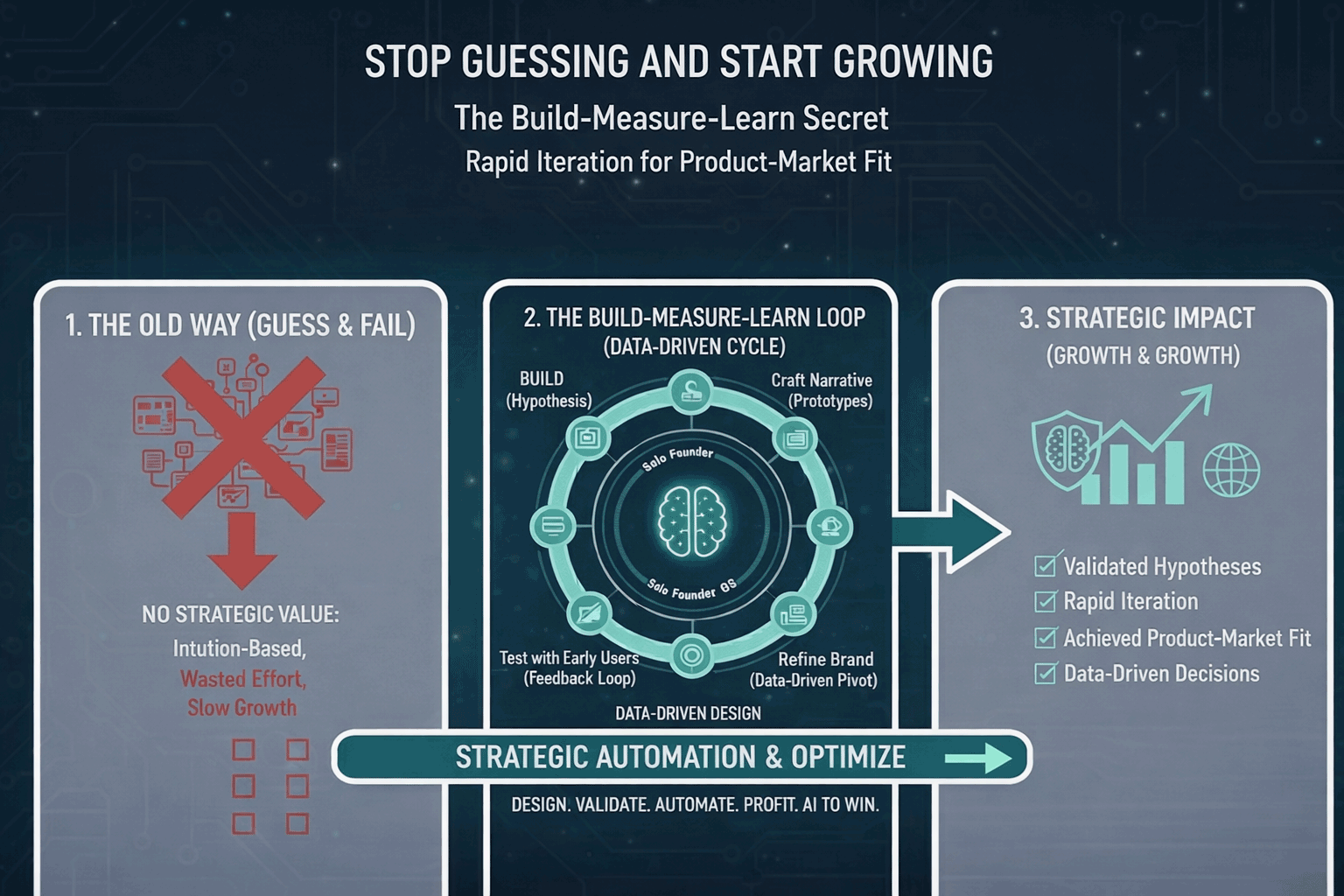
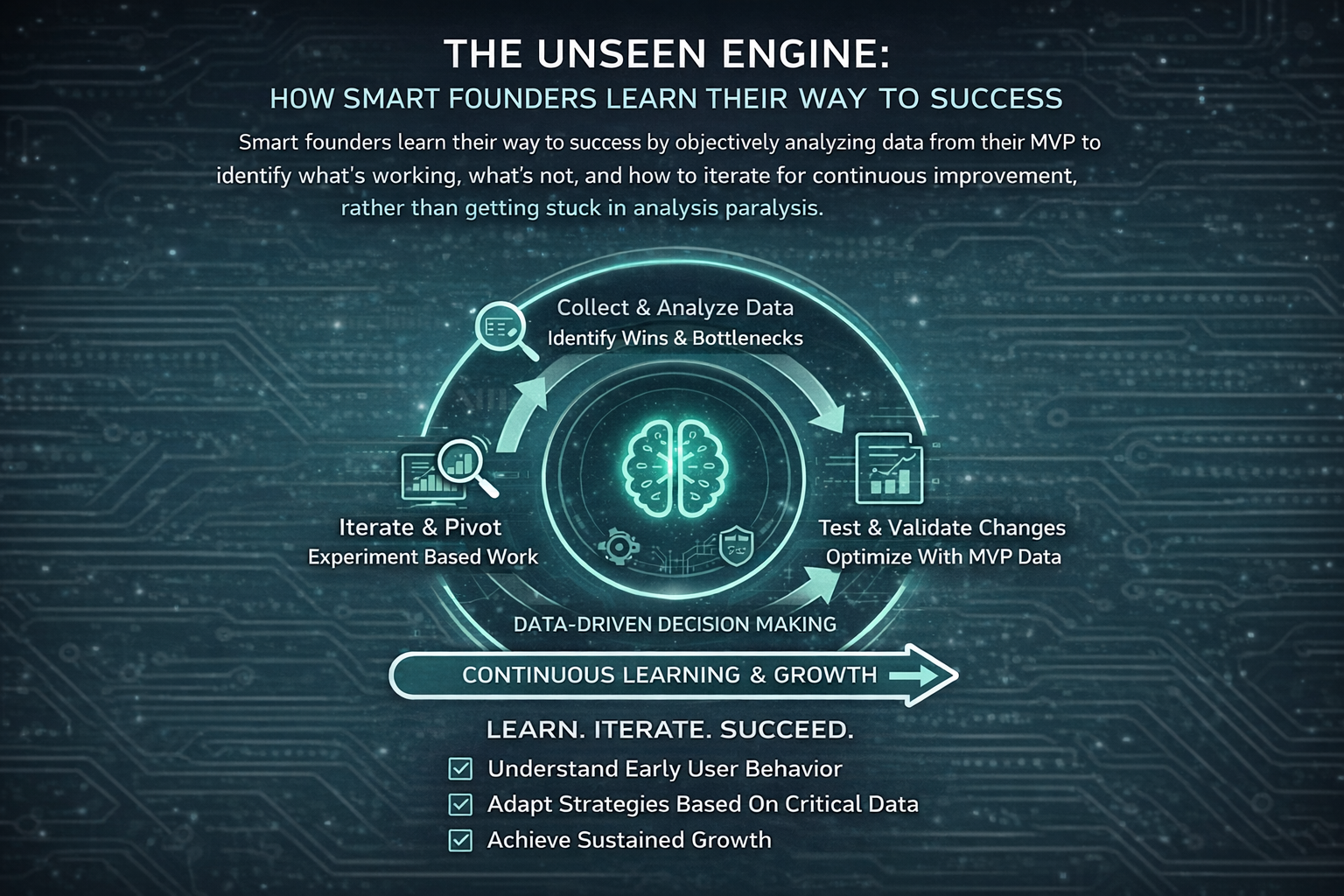
This is where the Build-Measure-Learn (BML) feedback loop comes in. It is the fundamental "secret sauce" of the Lean Startup movement. It is a framework designed to take the guesswork out of entrepreneurship and replace it with something much more powerful: Evidence.
The Problem: The "Big Bang" Launch Trap
In the traditional business world, we are taught to follow a linear path:
This is what we call the "Big Bang" approach. It works fine if you are opening a laundromat or a franchise where the business model is already proven. But if you are starting something new—an app, a unique service, or a creative platform—you are operating in a world of "Unknowns."
When you use the Big Bang approach, you are essentially gambling. You are betting all your time and money that your initial "guess" was 100% correct. If you're wrong about even one small thing (like the price or the target audience), the whole thing collapses.
The Build-Measure-Learn loop flips this on its head. Instead of one giant launch, you perform dozens of "mini-launches" to test your ideas before you commit.
Step 1: BUILD (The Hypothesis-Driven MVP)
When most people hear the word "Build," they think of hammers, nails, and code. But in the BML loop, "Build" starts with a question.
Before you build anything, you must identify your Leap-of-Faith Assumptions. These are the things that must be true for your business to succeed. For example:
- "People are willing to pay $20 a month for a dog-walking app."
- "Busy moms want a meal-prep service that uses only organic ingredients."
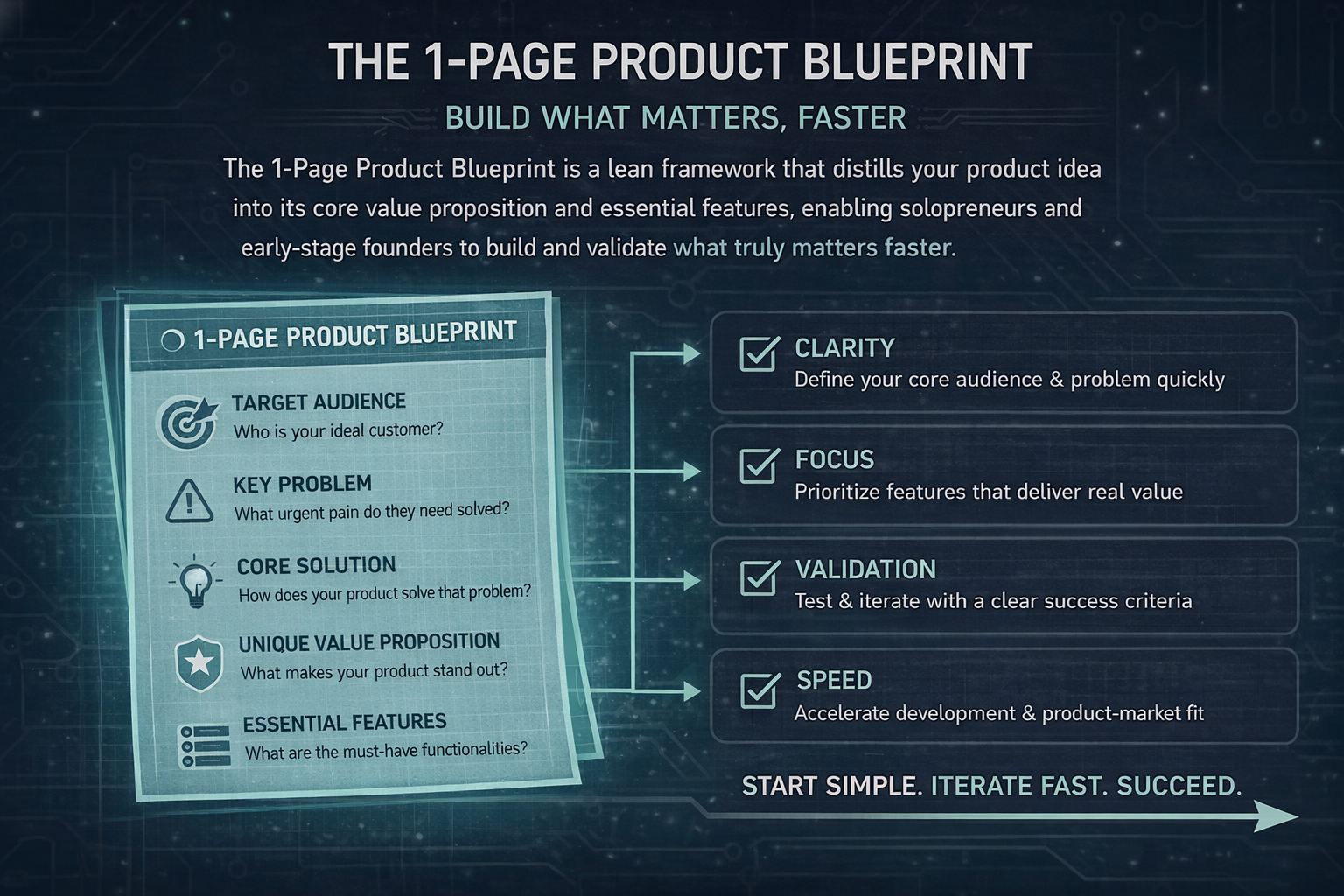
Once you have your assumption, you build a Minimum Viable Product (MVP).
What an MVP Is (and What it Isn’t)
An MVP is not a "cheap" or "broken" version of your product. It is the simplest thing you can create that allows you to start the learning process.
- If you’re building an app: Don't hire a developer yet. Create a landing page that describes the app and has a "Join the Waitlist" button. If 500 people sign up, you’ve built enough to prove people want it.
- If you’re starting a service: Do the work manually first. If you want to build an AI-powered tutoring bot, start by tutoring kids over Zoom yourself. See what questions they ask. Learn the "pain points" before you automate them.
Step 2: MEASURE (The Truth in the Numbers)
Once your MVP is out there, you need to see how people react. This is the "Measure" phase.
As a solopreneur, it is very easy to get distracted by "Vanity Metrics." These are numbers that make you feel good but don’t help you grow. If your Instagram post gets 200 likes, that’s great for your ego, but did anyone actually try to buy your product?
To truly measure success, you need Actionable Metrics. These are numbers that tell you if your business is actually working.
- Retention: How many people who used your service on Monday came back on Friday?
- Conversion: Out of 100 people who saw your landing page, how many actually gave you their email address?
- Referral: Are your early users telling their friends about you?
Step 3: LEARN (The Moment of Truth)
This is the most important—and often the hardest—part of the loop. This is where you look at your measurements and ask: "Was my initial guess right or wrong?"
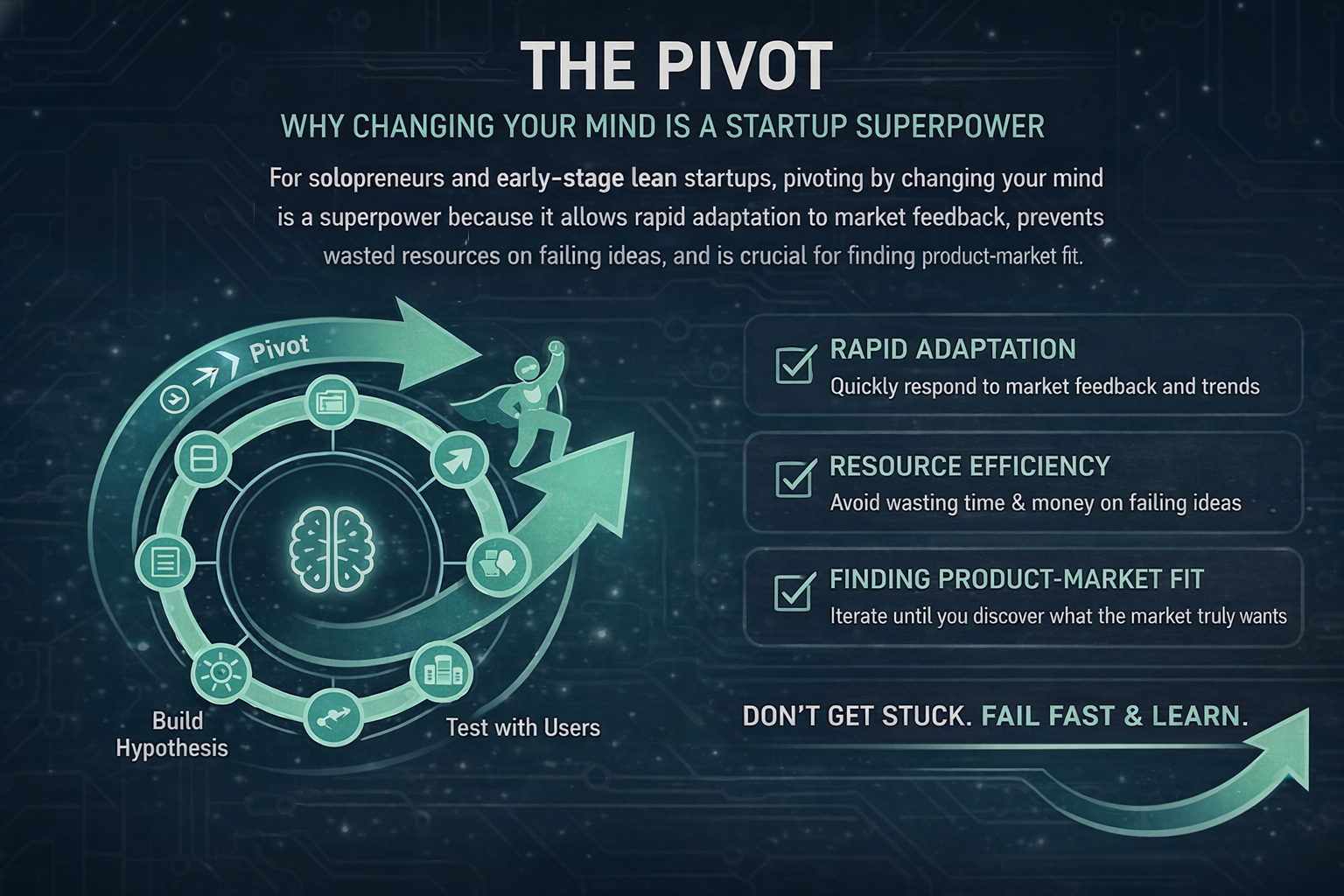
In the Lean Startup world, we call this Validated Learning. If you built a landing page and nobody signed up, you haven't "failed." You have successfully learned that your current message doesn't resonate with your audience. That is incredibly valuable information! It saved you from spending $5,000 on a website that wouldn't have worked anyway.
In the Learn phase, you have two choices:
Why Speed is Everything
The secret of the Build-Measure-Learn loop isn't just doing it once—it's how fast you can go through it.
Imagine two founders:
- Founder A spends 6 months building a "perfect" app. They go through the loop once. At the end of 6 months, they realize nobody wants the app. They are out of money and out of time.
- Founder B spends 1 week building a simple landing page. They learn people don't like the idea. They spend the next week changing the idea. By the end of 6 months, they have gone through the loop 24 times.
Who do you think is more likely to have a successful business? Founder B has had 24 chances to get it right. Founder A only had one.
Speed is your competitive advantage. As a solopreneur, you can move faster than a big company with a hundred meetings. You can build, measure, and learn in a single weekend.
Common Obstacles (and How to Beat Them)
Even when you know the BML loop, it can be hard to follow. Here are three things that might hold you back:
1. The Fear of "Looking Small"
Many founders are afraid to release an MVP because they think it looks "unprofessional." They want everything to be polished.
2. The "Just One More Feature" Syndrome
You might find yourself saying, "I'll launch it as soon as I add this one last button."
3. Ignoring Negative Data
It hurts when you build something and the "Measure" phase shows that people don't like it. Our instinct is to say, "They just don't get it yet."
How to Start Your First Loop Today
You don’t need a fancy software suite to start using Build-Measure-Learn. You just need a shift in mindset. Here is a simple plan for your first loop:
Conclusion: Embracing the Cycle
The Build-Measure-Learn loop is more than just a business tool; it’s a way to live your life as an entrepreneur. It takes the pressure off of being "right" all the time. Instead of trying to be a genius who knows everything, you become a student who is always learning.
Stop guessing. Stop spending months in the "Building" phase without talking to a single human. Embrace the loop, move fast, and focus on validated learning. That is how you turn a small idea into a sustainable, growing business.

No comments yet
Be the first to share your thoughts on this article!